
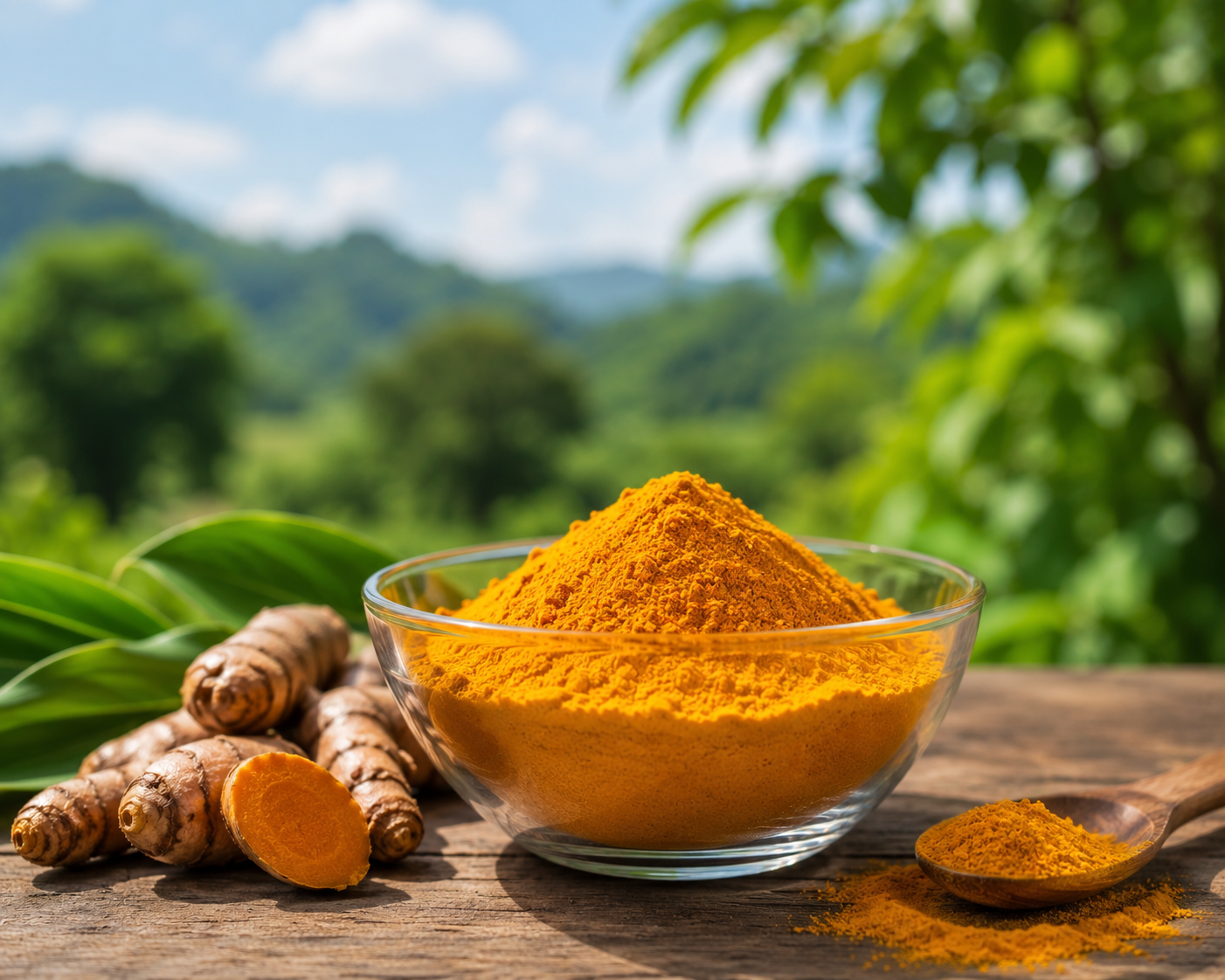
Turmeric: The Magical Spice That Has Stood the Test of Time
For centuries, turmeric has occupied a special place in kitchens, traditional medicine systems, and cultural practices across Asia. Known for its brilliant golden-yellow color and earthy flavor, this humble spice has earned a reputation that extends far beyond cooking. Often referred to as the “Golden Spice” or “Nature’s Wonder Root,” turmeric has been celebrated for generations as a symbol of health, healing, and vitality.
Today, as people around the world increasingly seek natural ways to support their well-being, turmeric is experiencing a global resurgence. Modern science is beginning to validate many of the benefits that traditional healers have long attributed to this remarkable spice.
A Brief History of Turmeric
Turmeric comes from the root of the Curcuma longa plant, a member of the ginger family. Native to South Asia, particularly India, turmeric has been cultivated and used for over 4,000 years. In Indian households, it is a staple ingredient found in countless recipes, while in Ayurveda, one of the world’s oldest systems of medicine, turmeric is considered a powerful herb with numerous therapeutic properties.
Beyond its culinary and medicinal uses, turmeric has also played an important role in religious ceremonies, beauty rituals, and cultural traditions. Its golden hue has long been associated with purity, prosperity, and positive energy.
The Secret Behind Turmeric’s Power
The primary active compound in turmeric is curcumin, a natural substance responsible for many of its health-promoting properties. Curcumin is known for its potent antioxidant and anti-inflammatory effects, making it one of the most extensively studied plant compounds in modern nutrition research.
Although curcumin represents only a small percentage of turmeric’s composition, its impact on human health has attracted significant scientific attention.
Health Benefits of Turmeric
1. Helps Combat Inflammation
Inflammation is the body’s natural response to injury and infection. However, chronic inflammation can contribute to various health problems, including heart disease, diabetes, arthritis, and certain autoimmune disorders.
Curcumin has been shown to help regulate inflammatory processes within the body. By supporting a healthy inflammatory response, turmeric may contribute to overall wellness and long-term health.
2. Rich Source of Antioxidants
Every day, our bodies are exposed to free radicals generated by pollution, stress, processed foods, and environmental toxins. These unstable molecules can damage cells and accelerate aging.
Turmeric contains powerful antioxidants that help neutralize free radicals, protecting cells from oxidative stress. This protective action may support healthy aging and overall vitality.
3. Supports Joint and Bone Health
Turmeric has become increasingly popular among individuals seeking natural support for joint comfort and mobility. Its anti-inflammatory properties may help maintain healthy joints and improve physical flexibility, particularly as people age.
Many individuals include turmeric in their daily wellness routines to support an active lifestyle and maintain movement without discomfort.
4. Strengthens the Immune System
A strong immune system is essential for maintaining health throughout the year. Traditional medicine has long used turmeric to help the body defend itself against seasonal illnesses.
Warm turmeric milk, often called “Golden Milk,” remains a cherished home remedy in many households. Combined with ingredients such as black pepper, ginger, and honey, it serves as a comforting wellness drink.
5. Promotes Digestive Wellness
Turmeric has traditionally been used to support digestion and gut health. It may help stimulate bile production, which aids in the digestion of fats and contributes to a healthy digestive process.
People who experience occasional digestive discomfort often incorporate turmeric into their meals as part of a balanced diet.
6. Supports Brain Function
Emerging scientific research suggests that curcumin may play a role in supporting cognitive function and brain health. Its antioxidant and anti-inflammatory properties may help protect brain cells from age-related damage.
While research continues, these findings highlight turmeric’s potential as a valuable component of a brain-healthy lifestyle.
Easy Ways to Add Turmeric to Your Diet
One of turmeric’s greatest advantages is its versatility. Incorporating it into daily meals is both simple and enjoyable.
Here are some easy ways to enjoy turmeric:
- Add it to curries, soups, and stews.
- Mix it into smoothies and protein shakes.
- Prepare a soothing cup of Golden Milk.
- Sprinkle it over roasted vegetables.
- Blend it into rice, lentils, and grain dishes.
- Brew turmeric tea with ginger and lemon.
For optimal absorption, nutrition experts often recommend consuming turmeric with black pepper. Black pepper contains piperine, a natural compound that significantly enhances the body’s ability to absorb curcumin.
Turmeric Beyond Nutrition
Turmeric’s benefits are not limited to internal health. It has also been widely used in traditional skincare practices. Many natural beauty treatments incorporate turmeric to promote healthy-looking skin and enhance natural radiance.
Its antibacterial and antioxidant properties have made it a popular ingredient in face masks and skincare formulations for centuries.
A Few Precautions
While turmeric is generally safe when used as a culinary spice, high-dose supplements may not be suitable for everyone. Individuals taking medications or managing certain medical conditions should consult a healthcare professional before using concentrated turmeric supplements regularly.
Moderation remains the key to enjoying turmeric’s benefits safely.